
Why Menstrual Blood Could Power Biomanufacturing
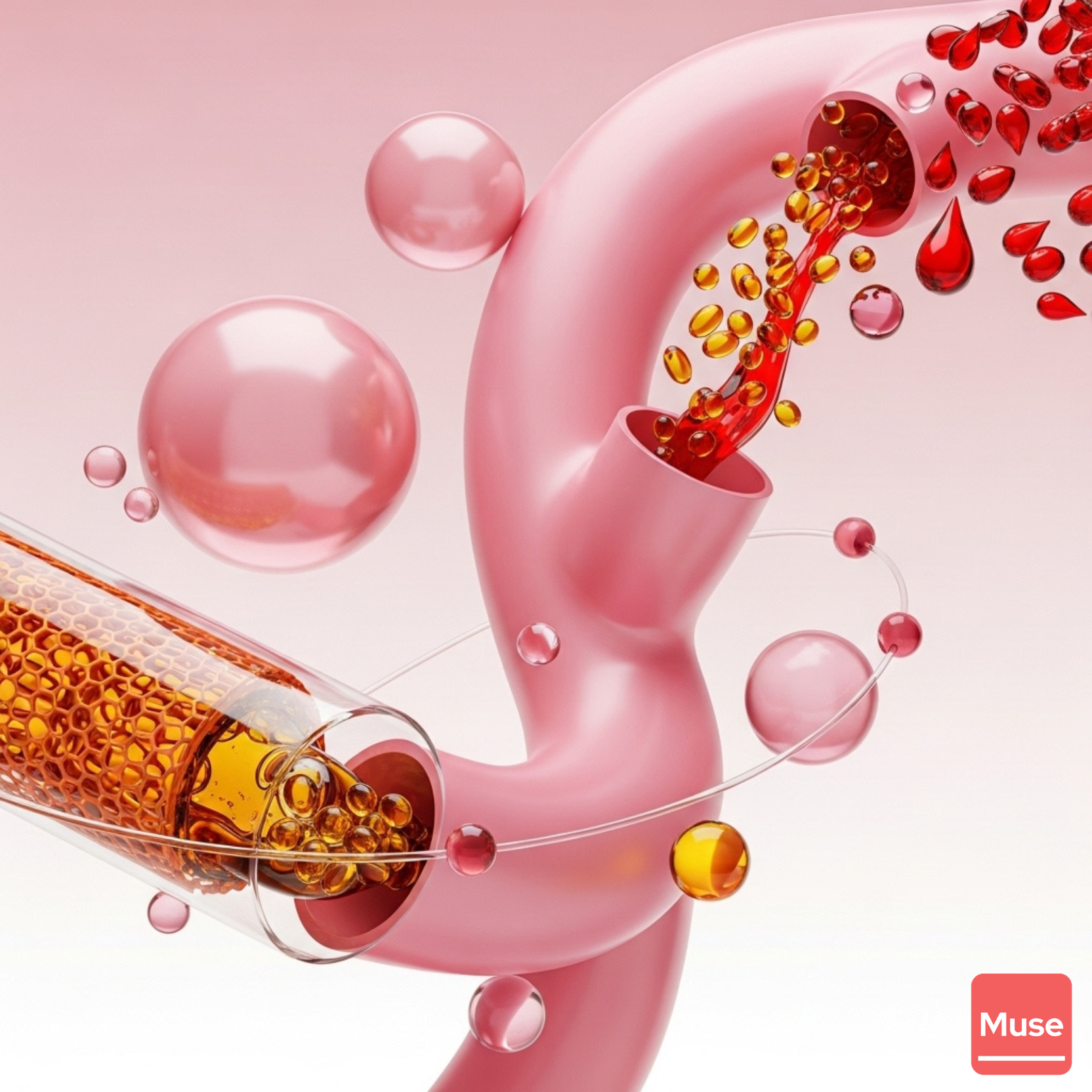
What if I told you that menstrual blood could be a game-changer for sustainable manufacturing? It turns out it's rich in stem cells and healing molecules. These cells grow well, can be collected monthly without invasive procedures, and don't carry the ethical concerns associated with other stem cell sources. It's an untapped resource hiding in plain sight. [1]
It sounds surprising, but hear me out. This fluid we've dismissed as waste for so long is actually packed with valuable stem cells and healing compounds. Scientists are realizing it could fuel a new era of ethical, low-impact manufacturing, turning what was once discarded into something genuinely useful.
What Is Circular Biomanufacturing
Here's the idea: instead of mining resources, producing products, and disposing of waste, circular biomanufacturing works with living systems. Cells, molecules, and biological compounds become the factories themselves, producing medicines, materials, and tissues. Everything is designed to cycle back—reused, recycled, regenerated. It's manufacturing that mimics nature's own loops, aiming for minimal waste and maximum efficiency. [2]
Think of it this way: almond shells and grape leftovers from farms become raw materials for new products. Industrial waste streams get mined for useful stuff like fibers and nutrients. And scientists are even engineering plants and algae to use sunlight and CO2, pulling carbon straight from the air to manufacture materials through souped-up photosynthesis.
Menstrual Blood Is More Than a Biological Discharge
Menstrual blood isn't just blood. It's a complex mix that includes endometrial tissue, healing molecules, and stem cells that show up month after month. What makes these stem cells special? They're multipotent, meaning they can develop into all sorts of different cells: muscle, bone, skin, nerves, and more. Think of them as cellular chameleons with real manufacturing potential. [6]
So, what makes menstrual stem cells special? They're adaptable workhorses that multiply fast and play nice with the immune system. They can become almost anything—muscle cells, neurons, heart tissue, even liver and pancreas cells. That flexibility means we could use them for tissue repair, cell-based treatments, and more. Plus, since collection is simple and happens monthly, it's a genuinely renewable resource that fits perfectly into sustainable production systems. [2]
Circular Biomanufacturing Applications
MenSCs offer distinct advantages for circular biomanufacturing:
They can be routinely collected and used as starting materials for cell-based therapies, reducing waste and resource depletion. [3]
Their role in tissue repair (wound healing, fertility restoration, diabetes therapy) reflects their power in sustainable therapeutic production cycles. [4]
The secretion of regenerative exosomes and cytokines can be harnessed for biomanufacturing functional biomaterials and pharmaceuticals. [2]
Devices are being developed that leverage menstrual blood for decentralized diagnostics and biomarker detection, opening pathways for localized manufacturing of health solutions. [5]
Stem Cells, Exosomes, and Regeneration
Stem Cell Therapy: Researchers have used menstrual stem cells to repair damaged uterine tissue, treat ovarian problems, speed up wound healing, and even help regenerate nerves after spinal cord damage. In one study, they embedded these cells into special scaffolds and saw actual nerve fibers regrowing and tissue repairing itself in injured spines. [7]
Exosomes and Biomolecular Secretions: Menstrual stem cells release tiny vesicles, molecular delivery packages filled with growth factors and genetic messages that trigger healing in other cells. These vesicles act like biological repair kits, and they can:
Modulate tissue healing and reduce inflammation.
Carry molecular signals that trigger cell proliferation, migration, and angiogenesis.
Serve as natural delivery systems for targeted therapies and diagnostics, enabling precise and personalized bioindustries. [8]
Environmental and Ethical Benefits
Menstrual blood addresses some of the biggest barriers to circular biomanufacturing:
Renewable sourcing: Monthly cycles ensure a consistent supply chain without harming donors. [6]
Low environmental impact: The process produces minimal waste; residual material can be further processed, upcycled, or used in energy recovery. [9]
No major social or ethical controversy: Unlike embryonic stem cells or animal sources, menstrual fluid comes from normal, healthy biological processes, aligning with regulatory and social acceptance. [10]
Collection, Processing, and Safety Protocols
Getting stem cells from menstrual blood is simple. You can refrigerate the blood for up to three days, and the stem cells stay viable and ready to multiply. Labs then use routine methods to isolate and grow them. The safety protocols testing for pathogens, ensuring sterility, and meeting medical-grade manufacturing standards are improving rapidly, paving the way for clinical use.
Challenges and Future Directions
But let's be realistic, there are still some barriers:
Large-scale biomanufacturing protocols for MenSCs are still under development.
More robust clinical data and regulatory pathways are needed, especially for non-reproductive disease applications.
Donor screening, quality control, and broad access infrastructure must be built.
The good news? Both technology and investment are picking up speed. We're seeing real results: damaged endometrial tissue repaired, fertility restored, nerves and heart tissue regenerating. Scientists are now working on the next phase—engineering these cells to be even more effective, designing custom vesicle payloads, and discovering new applications for their regenerative molecules.
Menstrual Blood as a Model for Circular Bioeconomy Resources
When it comes to circular bioeconomy principles, menstrual blood checks all the boxes:
Waste-to-wealth transformation: biomaterials are harvested from a discarded resource.
Decentralized, distributed manufacturing: millions of people could participate as donors, breaking centralized manufacturing dependencies.
Ethical and sustainable innovation: sourcing is consensual, renewable, and minimally impactful.
Once we prove this works with menstrual blood, the same thinking could apply to other human biomaterials. Hair clippings, skin cells, beneficial microbial products—materials we routinely throw away could become valuable inputs for manufacturing.
A Sustainable Future
This isn't just another incremental advance in biotechnology; menstrual blood biomanufacturing challenges us to completely rethink how we view biological processes that have been stigmatized for centuries. We're talking about transforming something society has long considered taboo or worthless into a valuable resource with healing potential. The science is impressive, but making this leap requires more than just technical know-how. It demands innovation in both the lab and in how we talk about menstruation publicly. It needs investment, yes, but also education and a willingness to confront uncomfortable social barriers.
As we try to build economies that work for people and the planet, menstrual blood shows up as an unlikely hero. It has some serious advantages: tons of versatile stem cells, natural healing compounds, easy collection that doesn't hurt anyone, and it fits perfectly with the idea of working with what we have rather than constantly extracting new resources. What's happening here feels like more than just a scientific discovery—it's a complete reframing. Something we've treated as gross or shameful for centuries might actually become key to sustainable innovation. And honestly? That's about more than just better manufacturing. It's about recognizing value where we never looked before, making use of what we've wasted, and creating systems that benefit more people without trashing the environment in the process. [11]
References:
[1] Feng, Y., & He, Y. (2025). The secrets of menstrual blood: emerging frontiers from diagnostic tools to stem cell therapies. Frontiers in Cell and Developmental Biology, 13, Article 1623959. https://doi.org/10.3389/fcell.2025.1623959
[2] Galea, C., Riva, N., & Calleja-Agius, J. (2022). Non-gynaecological applications of menstrual-derived stem cells: A systematic review. Avicenna Journal of Medical Biotechnology, 14(1), 10–29. https://pmc.ncbi.nlm.nih.gov/articles/PMC9017471/)
[4] Pushkala, K., & Gupta, P. D. (2021). Menstrual blood mesenchymal stem cells: Boon in therapeutics. J Biotechnology and Bioprocessing, 2(4), 1-6. Retrieved from https://auctoresonline.org/article/menstrual-blood-mesenchymal-stem-cells-boon-in-therapeutics
[5] ScienceDirect. (2025). Article Abstract with PII S0014299925004807 [Abstract]. Retrieved from https://www.sciencedirect.com/science/article/abs/pii/S0014299925004807
[6] Sun, Y.-L., Shang, L.-R., Liu, R.-H., Li, X.-Y., Zhang, S.-H., Ren, Y.-K., Fu, K., Cheng, H.-B., Yahaya, B. H., Liu, Y.-L., & Lin, J.-T. (2022). Therapeutic effects of menstrual blood-derived endometrial stem cells on mouse models of streptozotocin-induced type 1 diabetes. World Journal of Stem Cells, 14(1), 104–116. https://doi.org/10.4252/wjsc.v14.i1.104
[7] The Pennsylvania State University. (2025, July 22). Next-gen tech can detect disease biomarker in period blood. https://www.psu.edu/news/research/story/next-gen-tech-can-detect-disease-biomarker-period-blood
[8] U.S. National Library of Medicine. (n.d.). Abstract/Article with PMID 30463587. Retrieved from https://pubmed.ncbi.nlm.nih.gov/30463587/
[9] Vaiciulevičiūtė, R., Pachaleva, J., Bernotienė, E., Kugaudaitė, G., Lebedis, I., Krugly, E., & Uzielienė, I. (2025). Menstrual blood-derived mesenchymal stromal cell extracellular vesicles – a potential tool for tissue regeneration and disease detection. Frontiers in Bioengineering and Biotechnology, 13, Article 1643408. https://doi.org/10.3389/fbioe.2025.1643408
[10] Wang, Y., Liu, W., Xu, H., Dong, L., Jiao, Y., & Qiao, Z. (2024). Menstrual blood-derived mesenchymal stem cells combining with platelet-rich plasma infusion in endometrium repair. Journal of Obstetrics and Gynaecology Research. https://pmc.ncbi.nlm.nih.gov/articles/PMC11608838/
[11] PMC. (n.d.). Article Abstract with PMC ID 11312895. Retrieved from https://pmc.ncbi.nlm.nih.gov/articles/PMC11312895/
