
Magnesium May Help with Insulin Resistance in PCOS
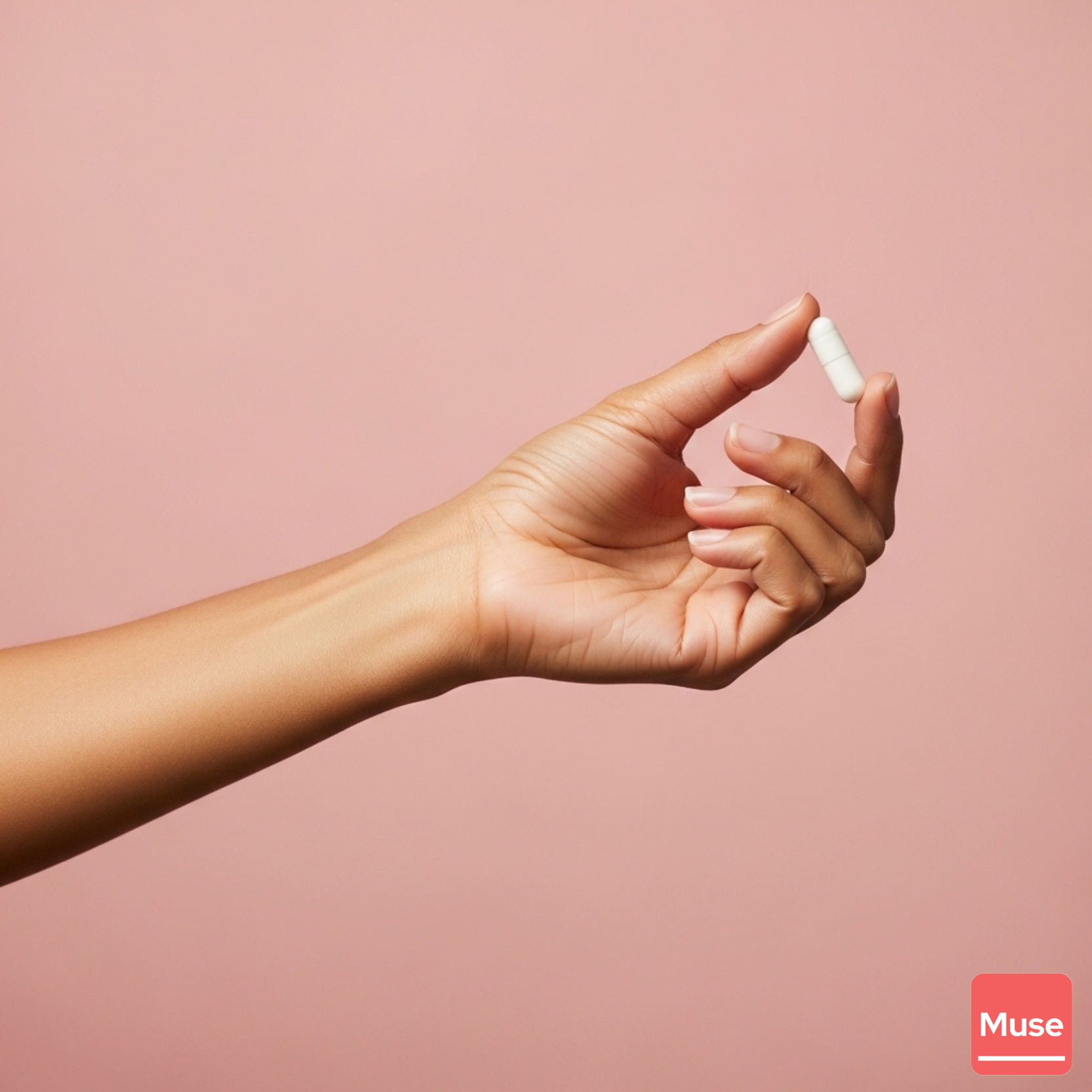
If you live with PCOS, you've probably heard "insulin resistance" thrown around so many times it's lost all meaning. But for a lot of us, it's actually behind the weight that won't budge, the constant sugar cravings, the exhaustion, and the fertility challenges. However, magnesium may actually make your body respond better to insulin and ease some of those PCOS symptoms.
PCOS and Insulin Resistance
Up to 60–70% of people with PCOS have some degree of insulin resistance. Insulin is a hormone made by the pancreas that acts like a “key,” helping glucose (sugar) move from your bloodstream into your cells to be used for energy. [1]
When you have insulin resistance, your cells stop responding to insulin the way they should. So, your body tries to fix the problem by cranking out even more insulin. Those higher insulin levels end up triggering a bunch of the classic PCOS symptoms:
Increased androgen (testosterone) production, contributing to acne, hair loss, and hirsutism.
More fat storage and difficulty losing weight, especially around the abdomen.
Higher long‑term risk of type 2 diabetes and cardiovascular disease.
Since high insulin is so central to PCOS, anything that helps your body use insulin better could potentially relieve symptoms and protect your health down the road.
Why magnesium matters for blood sugar and insulin
Magnesium is an important mineral involved in more than 300 enzyme reactions, including many that regulate glucose metabolism and insulin signaling. There are several reasons why magnesium matters when it comes to insulin resistance: [2]
It helps insulin receptors work properly, supporting receptor “autophosphorylation” and downstream signaling so cells respond better to insulin.
It helps glucose actually get into your cells by influencing how glucose transporters (like GLUT4) work.
It helps dial down chronic, low-level inflammation and oxidative stress, both of which are elevated in PCOS and exacerbate insulin resistance.
It plays a role in how your body handles fats and regulates blood pressure, which connects to the metabolic issues in PCOS.
Are magnesium levels different in PCOS?
Multiple studies have found that people with PCOS, especially those dealing with insulin resistance, tend to have lower magnesium levels. Low magnesium in the blood has been linked to:
Higher fasting insulin and higher HOMA-IR (a marker that measures insulin resistance).
Elevated testosterone levels.
More signs of metabolic syndrome, like unhealthy cholesterol levels and belly fat.
It’s not always clear which came first: chronic high insulin levels may cause you to lose more magnesium through your urine, leading to a deficiency, while low magnesium can worsen insulin resistance. Either way, magnesium appears to be entangled in the metabolic disorder of PCOS. [1]
What does the research say about magnesium supplements in PCOS?
This is where it gets a bit messier. There are clinical trials looking at PCOS and magnesium, but the results don't all tell the same story.
Trials showing benefits
Some randomized trials have found that magnesium supplementation actually does improve insulin resistance markers and metabolic health in women with PCOS:
In a recent triple‑blind randomized clinical trial, women with PCOS took magnesium oxide for two months. Those receiving magnesium had significant reductions in fasting insulin, HOMA‑IR, fasting glucose, total cholesterol, and LDL, along with an increase in HDL, compared with placebo. [3]
Another trial in women with PCOS reported that 12 weeks of magnesium supplementation reduced BMI, waist circumference, HOMA‑IR, triglycerides, LDL, and testosterone, while increasing HDL compared with controls. [4]
These studies suggest that for some women with PCOS, magnesium can improve insulin sensitivity and overall metabolic health.
The more indistinct evidence:
But when researchers looked at all the available trials together, things got less clear-cut.
A systematic review of randomized controlled trials in PCOS found that magnesium by itself didn't consistently improve insulin, fasting glucose, or cholesterol markers across the board. [5]
In the same review, magnesium combined with other nutrients, such as vitamin E, zinc, calcium, vitamin D, or melatonin, showed clearer improvements in insulin resistance, inflammation, and lipid levels. [6]
This suggests magnesium might work best as a nutritional approach rather than a stand-alone fix.
How magnesium might help insulin resistance in everyday life
Based on what we know so far, here's how magnesium might actually help if you have insulin-resistant PCOS:
Improved insulin sensitivity: By helping insulin receptors work better and supporting glucose uptake, magnesium may lower fasting insulin and improve HOMA-IR, especially if you’re deficient or running low.
Better blood sugar control and fewer crashes: When insulin signaling works more smoothly, you might experience fewer blood sugar spikes and drops, which could mean less fatigue and fewer intense sugar cravings.
Support for cholesterol and heart health: Some trials show magnesium can improve cholesterol and triglycerides, which is important since PCOS already raises your risk for heart and metabolic issues.
Potential drops in testosterone and PCOS symptoms: Since high insulin drives your ovaries to pump out more androgens, improving insulin resistance can indirectly bring testosterone down and ease related symptoms over time.
Keep in mind, results vary from person to person. If you’re low in magnesium and dealing with significant insulin resistance, you may see more noticeable changes than someone whose levels and metabolic markers are already in a good place.
Food first: magnesium‑rich foods for PCOS
Before you start popping supplements, it’s worth checking if you’re getting enough magnesium from food; a lot of people don’t hit the recommended amounts through diet alone.
Magnesium-rich foods include:
Nuts and seeds: almonds, cashews, pumpkin seeds, sunflower seeds
Legumes: black beans, chickpeas, lentils, edamame
Whole grains: oats, quinoa, brown rice, whole-wheat bread
Leafy greens: spinach, Swiss chard, kale
Other sources: dark chocolate (in moderation), avocado
Those with PCOS, building meals around these foods along with protein, fiber, and healthy fats, can support insulin sensitivity in multiple ways, not just through magnesium.
What about magnesium supplements?
If you’re not getting enough from food or a blood test shows you’re low, supplementation might make sense — but ideally, you’d talk to a healthcare provider first.
Forms and doses used in studies
Trials in PCOS typically used around 250 mg of elemental magnesium per day, often as magnesium oxide or in combo formulas, for 8–12 weeks.
Other forms like magnesium citrate, glycinate, or malate tend to be easier on your stomach, though most PCOS research has used oxide.
Since different forms contain different amounts of actual magnesium, you’ll need to read labels carefully and make sure your total intake, from food and supplements combined, stays within safe limits unless you’re working with a professional.
Potential side effects and cautions
Most people handle moderate doses of magnesium just fine, but you might experience:
Loose stools or diarrhea, especially with magnesium oxide or higher doses.
Nausea or an upset stomach if you take it on an empty stomach.
If you have kidney disease, serious heart issues, or take certain medications (like some diuretics or proton pump inhibitors), be extra careful. You could be at higher risk for magnesium building up too much, so definitely check with your doctor before supplementing.
Who might benefit most?
Magnesium isn't a replacement for actual PCOS treatment, but it might be especially helpful if you:
Have PCOS and blood tests show your magnesium is low or on the lower end of normal.
Also deal with metabolic syndrome, prediabetes, or type 2 diabetes.
Don't eat much in the way of whole grains, legumes, nuts, or leafy greens.
Experience metabolic symptoms alongside anxiety, poor sleep, or muscle tension, since magnesium can help with those issues too.
In these situations, magnesium can be a relatively safe and potentially worthwhile addition to a bigger-picture PCOS plan.
Works Cited:
[1] Grassi, A. (n.d.). Magnesium benefits for PCOS. PCOS Nutrition Center. https://www.pcosnutrition.com/magnesium-benefits/
[2] DiagnosTechs. (2025, November 2). Prevent and treat insulin resistance with magnesium. https://www.diagnostechs.com/2025/11/02/prevent-treat-insulin-resistance-with-magnesium/
[3] Afifi, M. C., & Abdelazim, I. A. (2023). Role of magnesium in management of polycystic ovary syndrome: A systematic review. PubMed. https://pubmed.ncbi.nlm.nih.gov/37524880/
[4] [Author names not listed]. (n.d.). [Article title not found]. Saudi Journal of Biomedical Research. https://saudijournals.com/articles/9322/ (Note: This specific link requires a PDF download to access the full metadata like author and title; based on the URL, it is from the Saudi Journals platform.)
[5] Li, Y., Ma, J., & Li, Q. (2022). Magnesium and polycystic ovary syndrome: A systemic review and meta-analysis. Frontiers in Endocrinology, 13. https://doi.org/10.3389/fendo.2022.974042
[6] GrassrootsHealth. (n.d.). Women with PCOS may benefit from magnesium and melatonin supplementation. https://www.grassrootshealth.net/blog/women-pcos-may-benefit-magnesium-melatonin-supplementation/
